Testing for Schools Students, Staff, and Drivers
Drug and alcohol testing for K-12 districts, colleges, and universities — students in activity programs, staff, and DOT and non-DOT drivers. You set the policy; we provide confidential collection, certified lab processing, and MRO review.
- Student, Staff & Driver Testing
- Confidential & Discreet
- DOT & Non-DOT Programs
- On-Site Mobile Collection
Tailored for Schools & Educational Institutions · FMCSA-Certified Medical Examiners · DOT-Qualified Collectors
For K-12 districts, colleges, and universities, we run drug and alcohol testing for students, staff, and DOT/non-DOT drivers — you set the policy, we handle collection, lab, and MRO.
Compliance Services Tailored for Your Industry
We've designed these specialized services to address the unique compliance challenges faced by Schools & Educational Institutions businesses.
The Diversified Compliance Platform
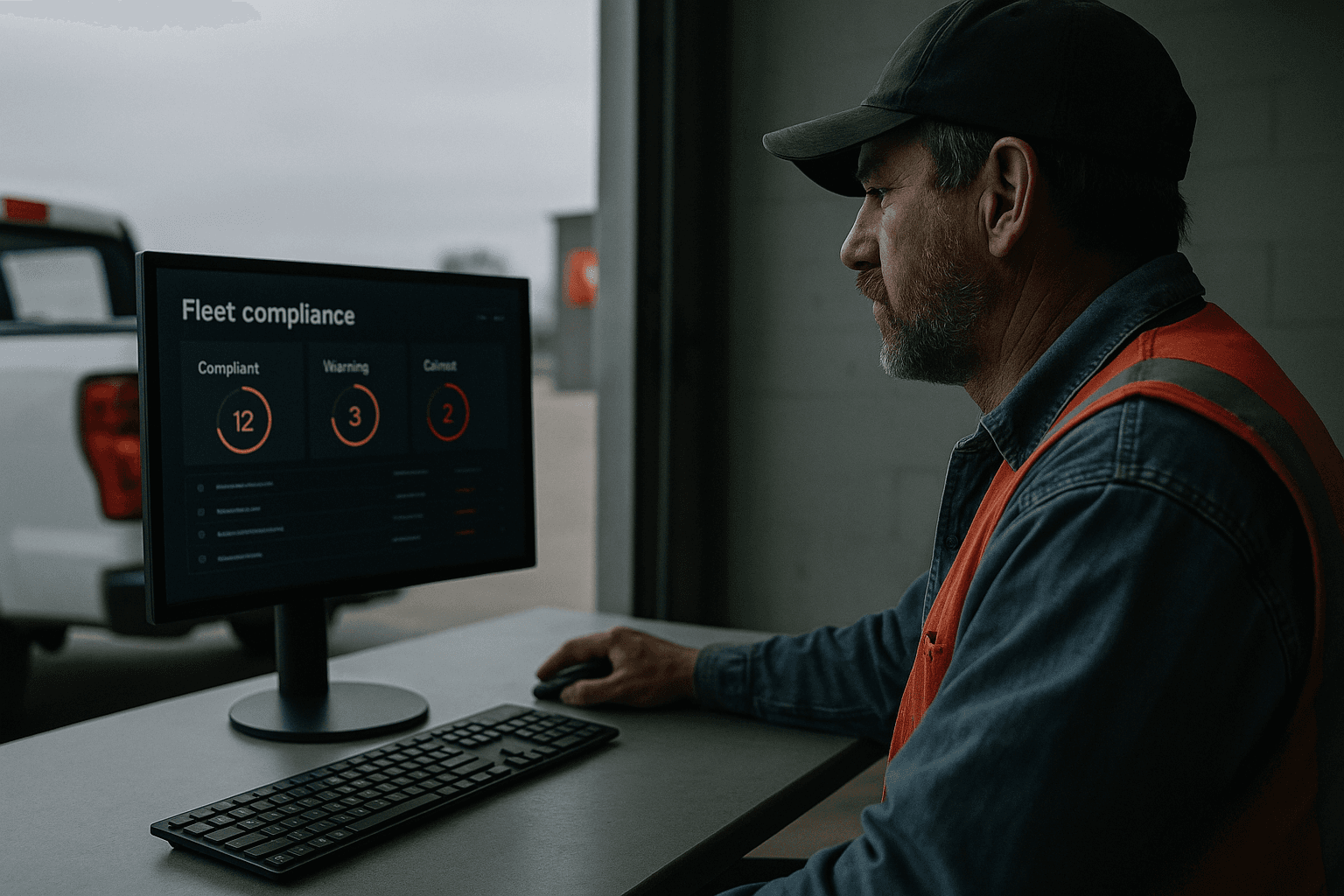
Everything we do runs on technology we built — one platform bringing testing results, consortium rosters, driver files, Clearinghouse status, and lab and MRO integrations into a single real-time compliance view. You see where every driver and requirement stands, without chasing paper.
DOT Physical Examinations
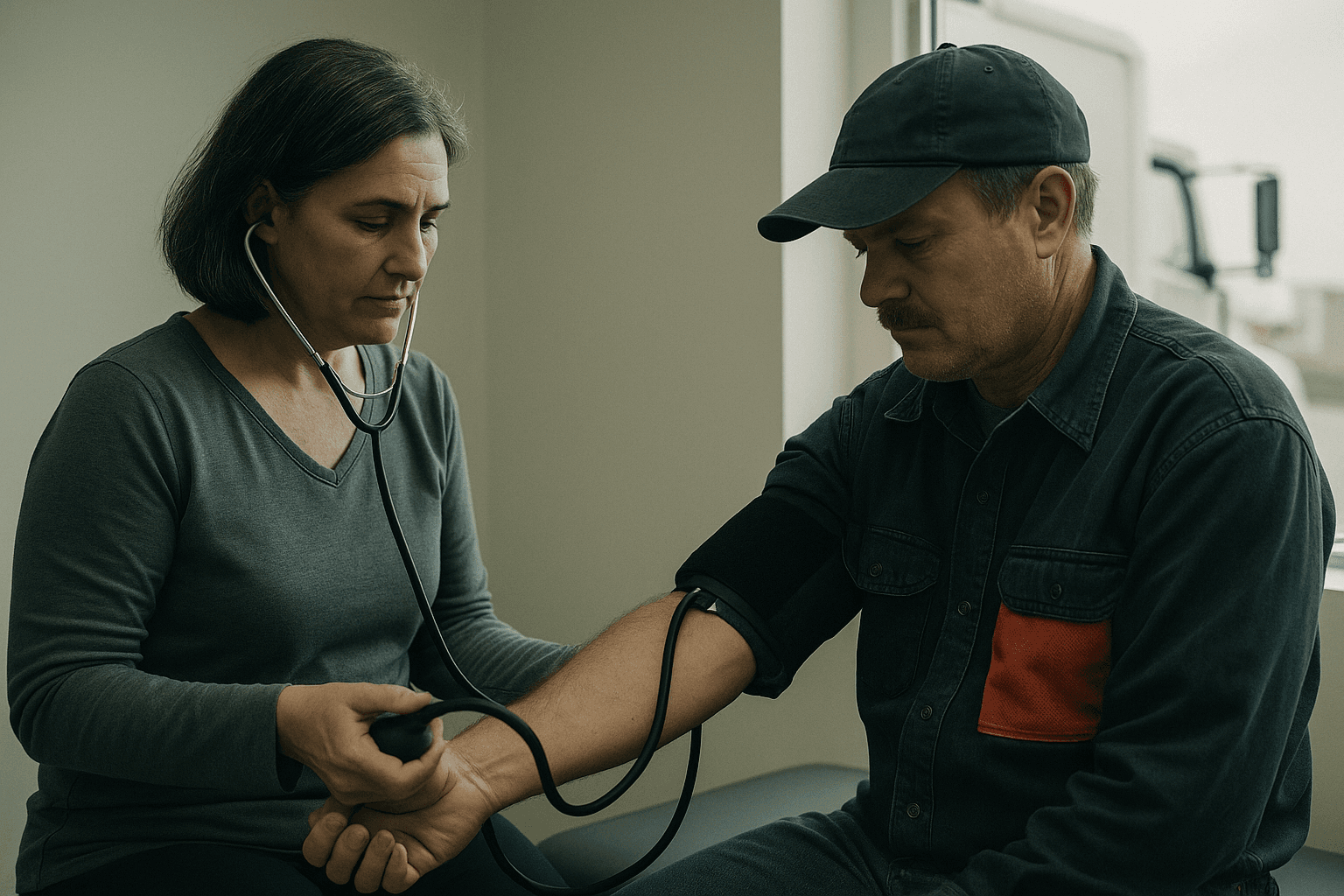
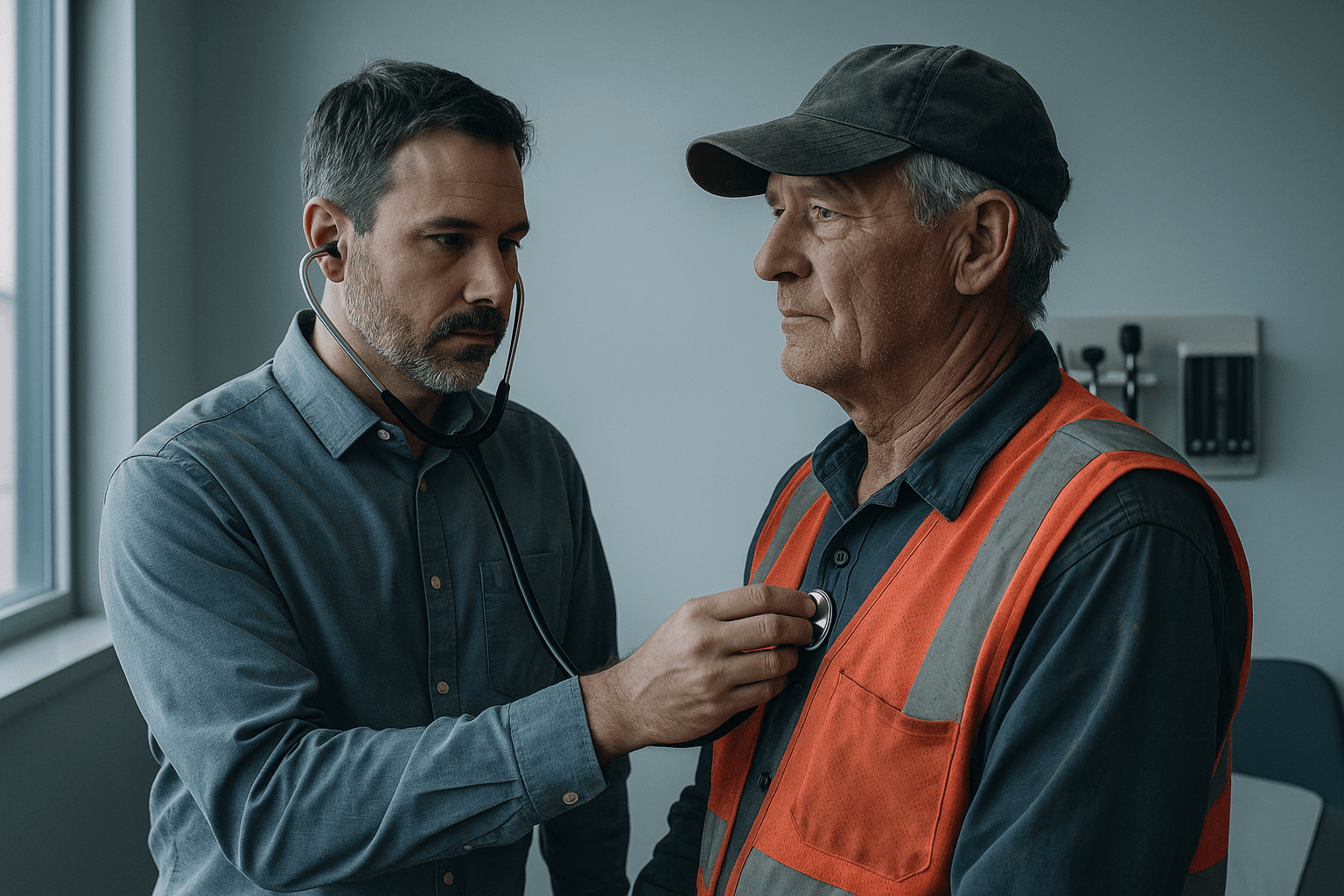
Fast, FMCSA-compliant DOT physicals at our Lincoln and Beatrice clinics — about 30 minutes, performed by National Registry-certified examiners on staff. For full-service compliance clients, we track every driver's medical card and flag renewals before they lapse.

C/TPA & Consortium Program
Diversified Drug Testing is your Consortium/Third-Party Administrator — we run your entire DOT drug and alcohol program. Random pool management, every test type collected by our mobile team across Nebraska and Kansas or in-clinic, plus MRO, SAP, and DER support. $129/year per company.
FMCSA Clearinghouse Services
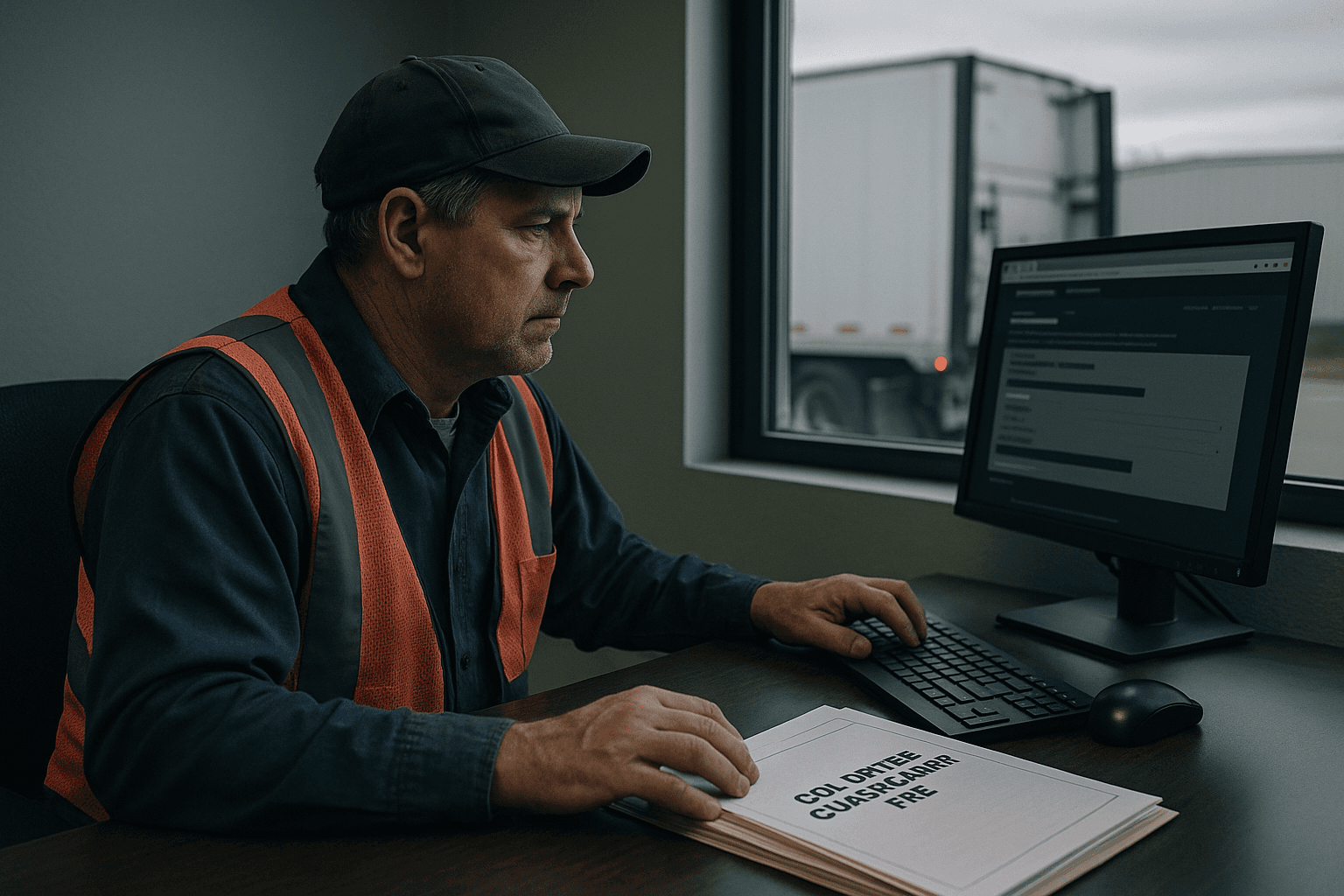
As your C/TPA, we run the FMCSA Drug & Alcohol Clearinghouse for you — company registration, driver enrollment, pre-employment full queries, annual limited queries, and violation reporting. For consortium members, the pre-employment query is part of getting a driver into your pool. $35 per query.
Fit-for-Duty & Return-to-Work Evaluations
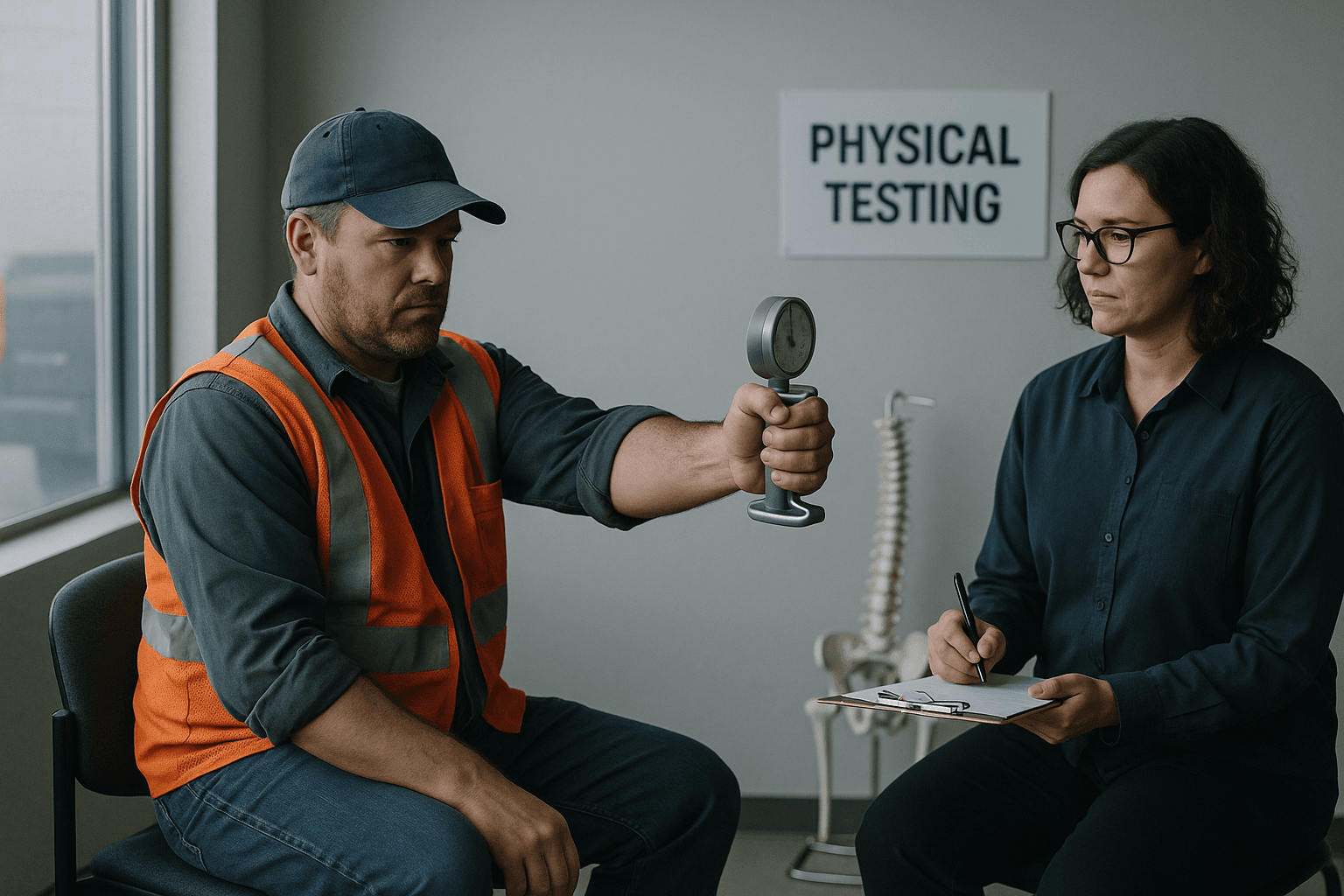
Objective fit-for-duty and return-to-work evaluations for current employees — a functional work-readiness assessment by licensed physical therapy professionals, matched to the job's real demands. Used after injury or leave, a safety concern, or a workplace incident to decide who can safely return.
Pre-Employment Drug Testing
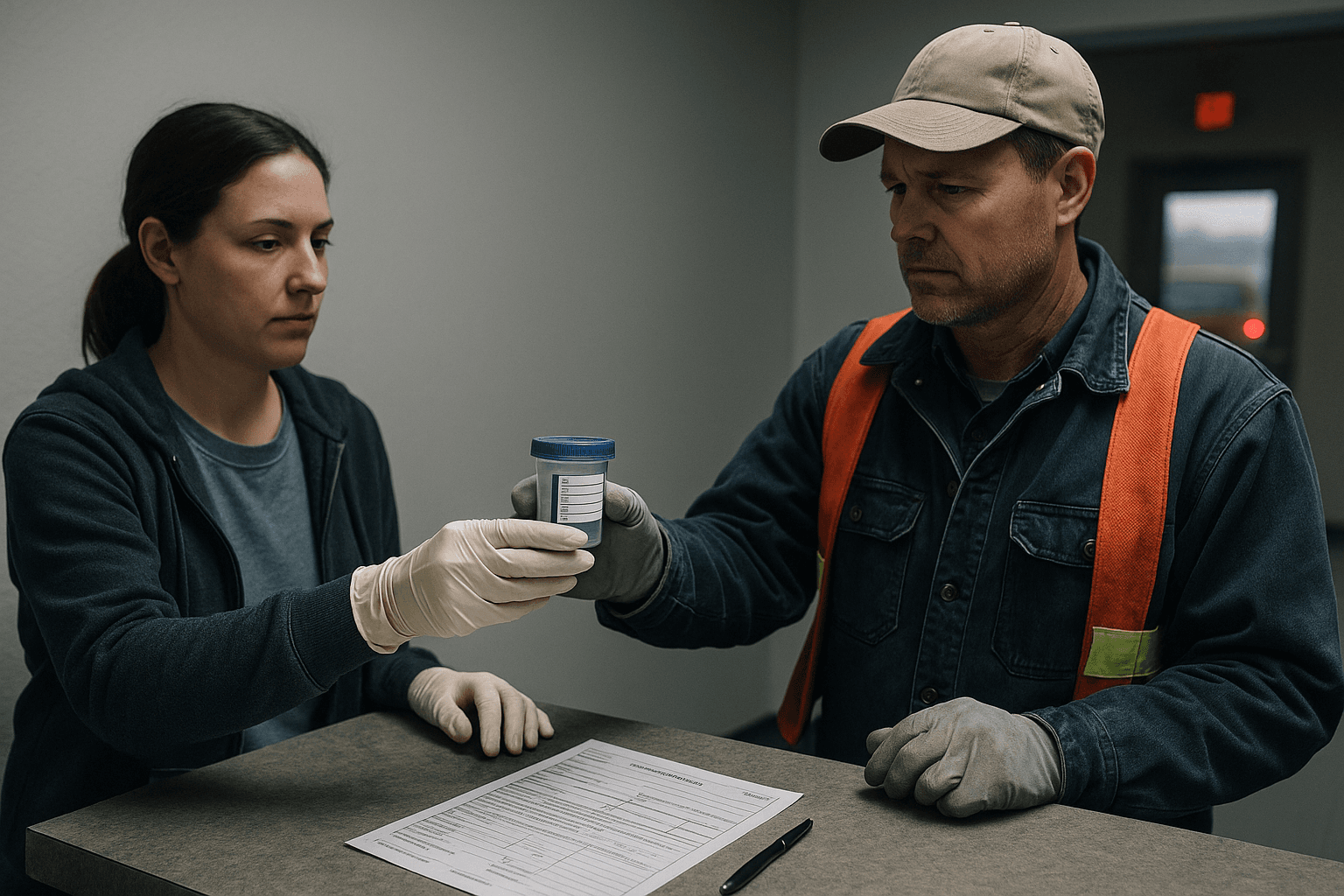
A driver can't perform safety-sensitive functions until you have a verified negative pre-employment drug test (49 CFR 382.301). Test at our clinics, on-site with our mobile collectors across Nebraska and Kansas, or at a partner site nationwide. MRO-verified. $75 clinic / $95 mobile.
Driver Qualification File (DQF) Management
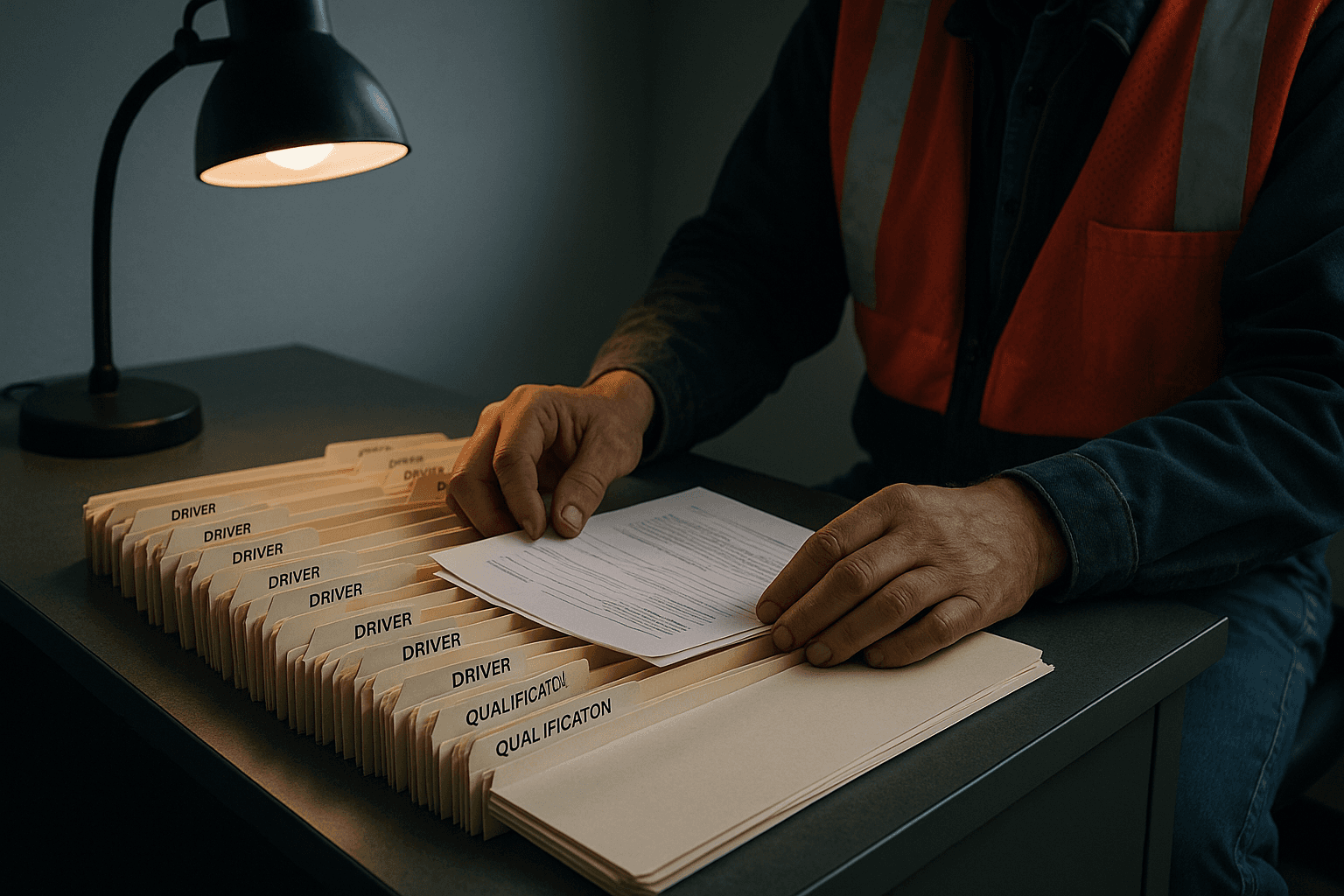
Driver qualification files are one of the most-cited findings in a DOT audit. We manage every DQF for every driver on our own software — tracking each document, alerting before anything expires, and monitoring the MVR and medical card for expiration — so your files are always inspection-ready.
Audiometric Testing & Hearing Conservation
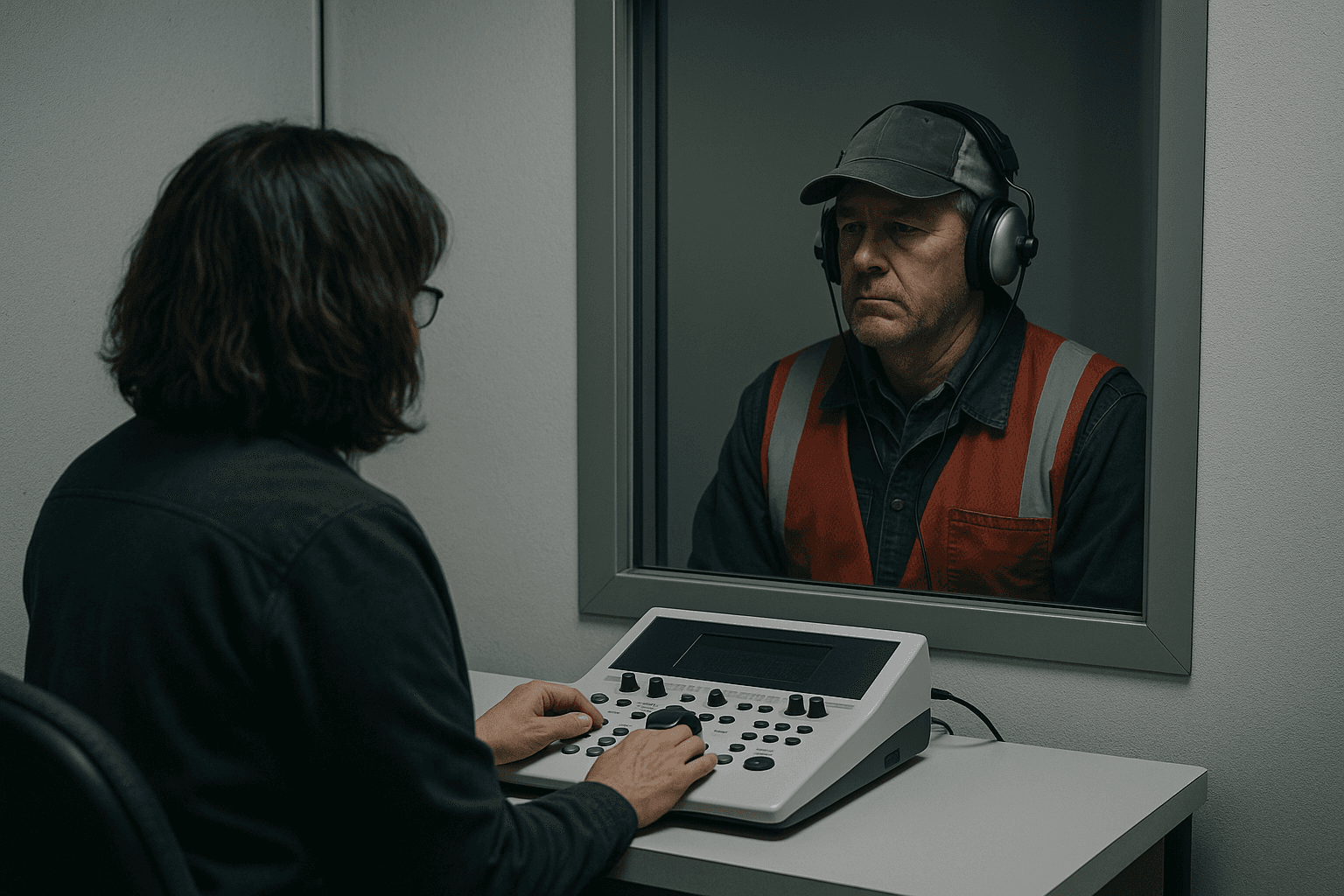
OSHA 1910.95 hearing testing for noise-exposed workforces — baseline and annual audiograms with standard-threshold-shift tracking. Test individuals at our Lincoln clinic, or bring our growing on-site mobile service to your factory floor for whole-crew baseline and annual screening.
Post-Accident Testing
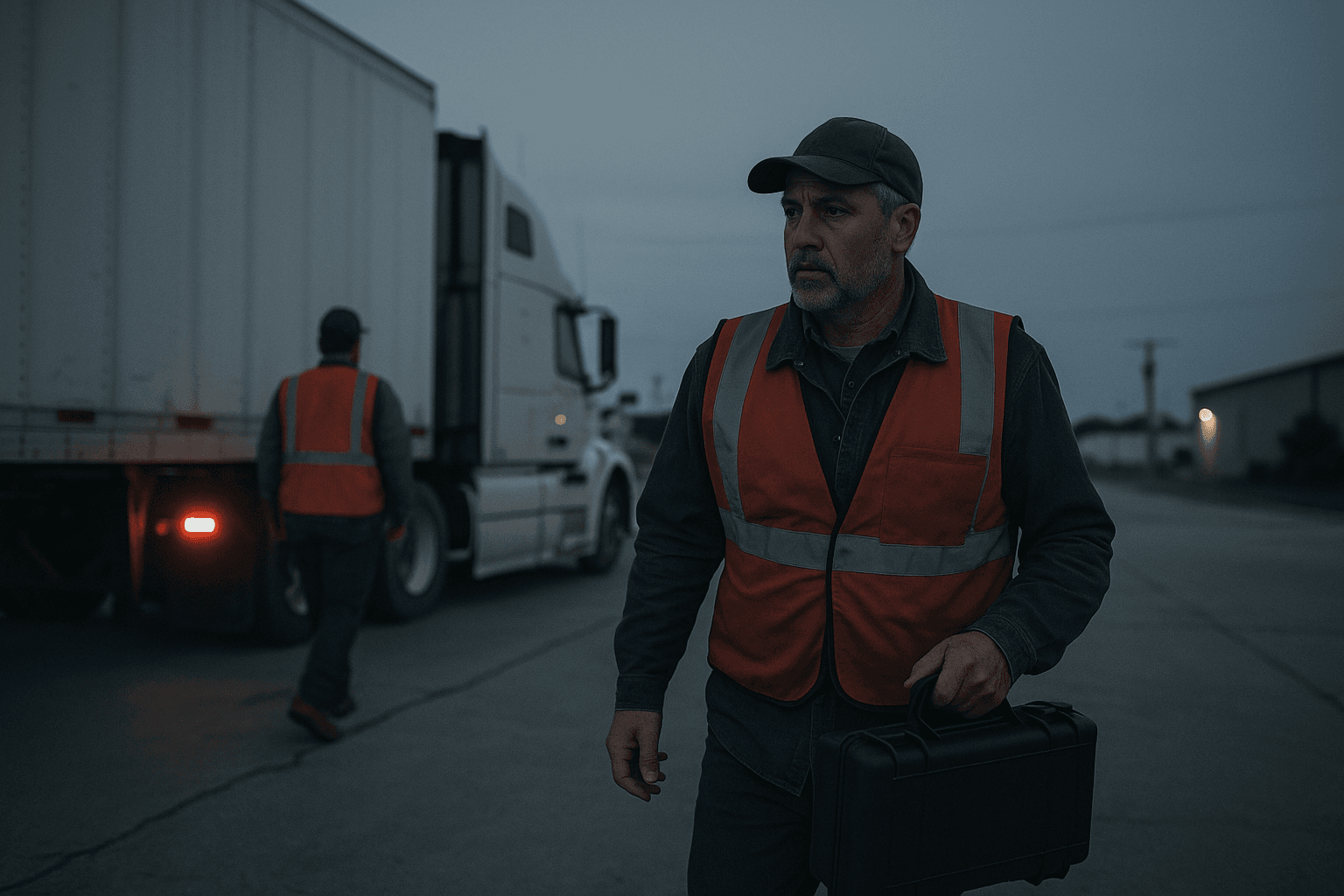
When an accident happens, the clock starts: DOT requires alcohol testing within 8 hours and drug testing within 32 (49 CFR 382.303). Our 24/7 dispatch and our own collectors across Nebraska and Kansas get a driver tested — and every attempt documented — so you meet the window and stay defensible.

Motor Vehicle Records (MVR) Services
We pull and review motor vehicle records from every state a driver has been licensed — at hire and annually, as DOT requires — flag disqualifying offenses, and file the review in the driver's qualification file. $20 per driver plus state fees at cost.
Vision Screening (Snellen & Color Vision)
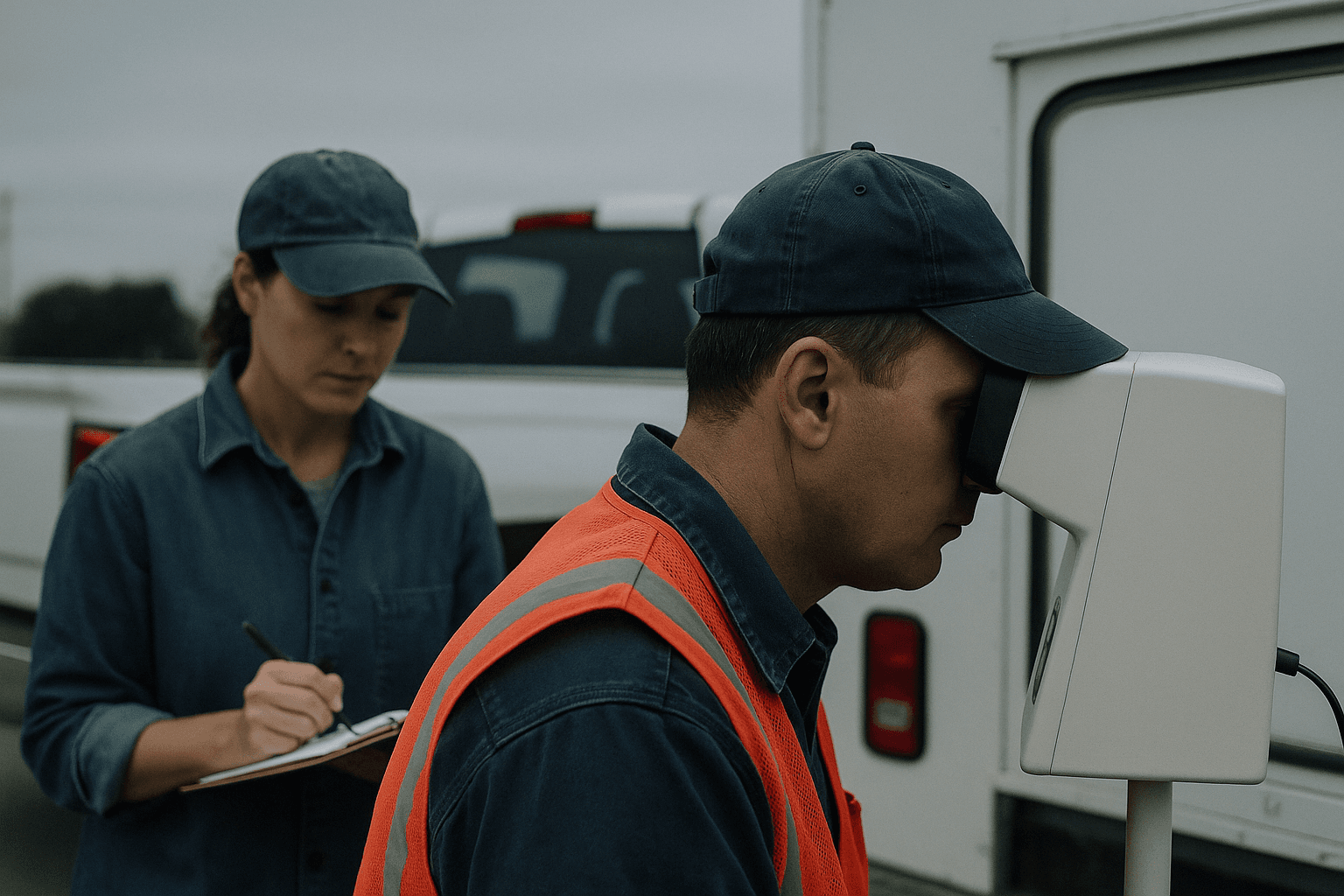
Fast, low-cost vision screening — Snellen visual acuity and Ishihara color vision — most often built into a custom pre-employment or occupational-health package alongside functional, drug, and hearing testing. Also a quick pre-check that a driver meets the DOT 20/40 standard.

Reasonable Suspicion Testing
When a trained supervisor observes signs of drug or alcohol use, the test must happen fast. Our collectors dispatch same-day, on-site across Nebraska and Kansas, 24/7 — determination and collection documented to keep it defensible. Supervisors need DOT training first; we offer that too.
MCS-150 Filing Services
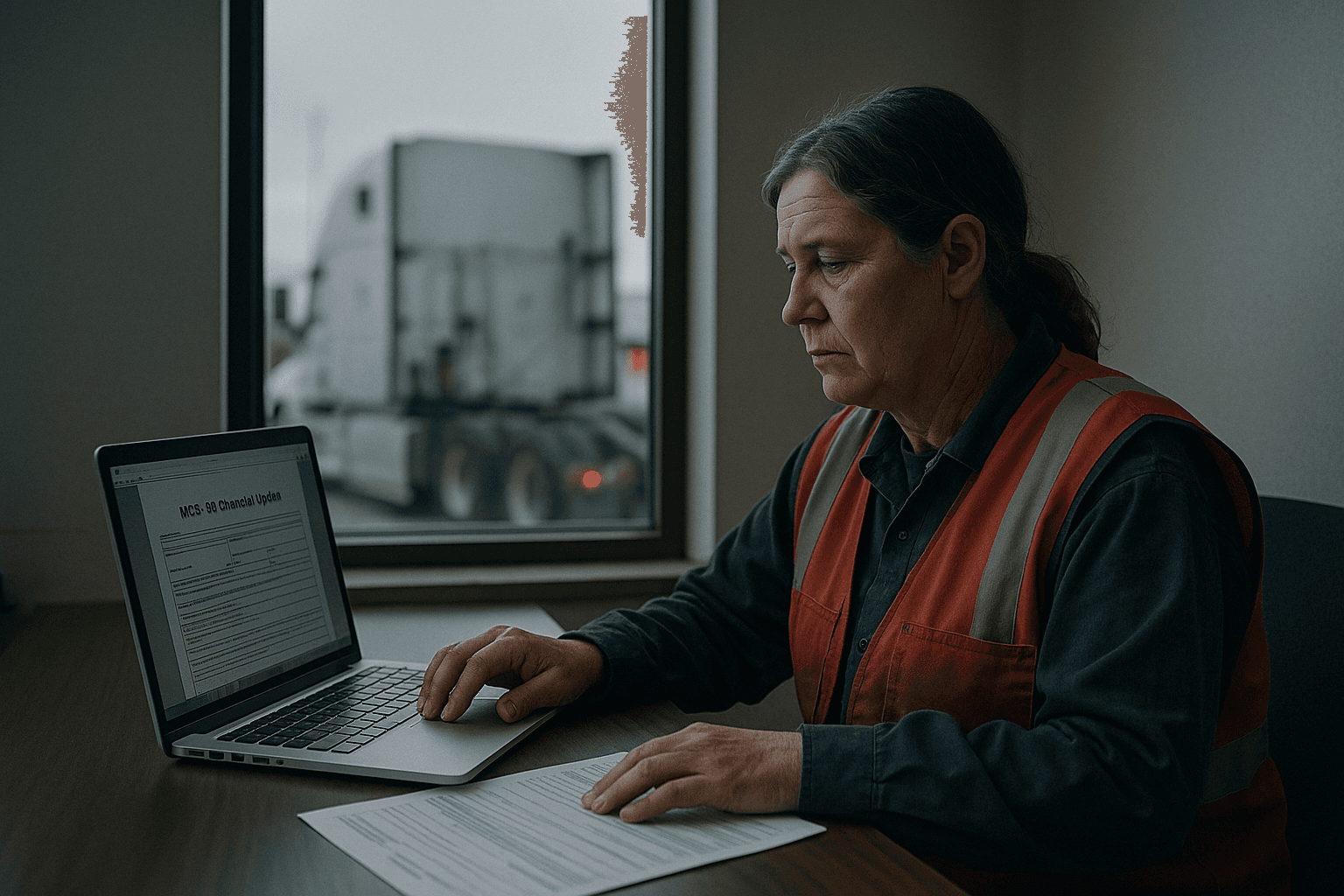
Your USDOT registration has to be updated with FMCSA every two years — even if nothing changed — or your number is deactivated and your operating authority stops. We file your MCS-150 biennial update on time, handle initial registration and changes, and keep your USDOT record current and active.
Post-Offer Back & Musculoskeletal Screening
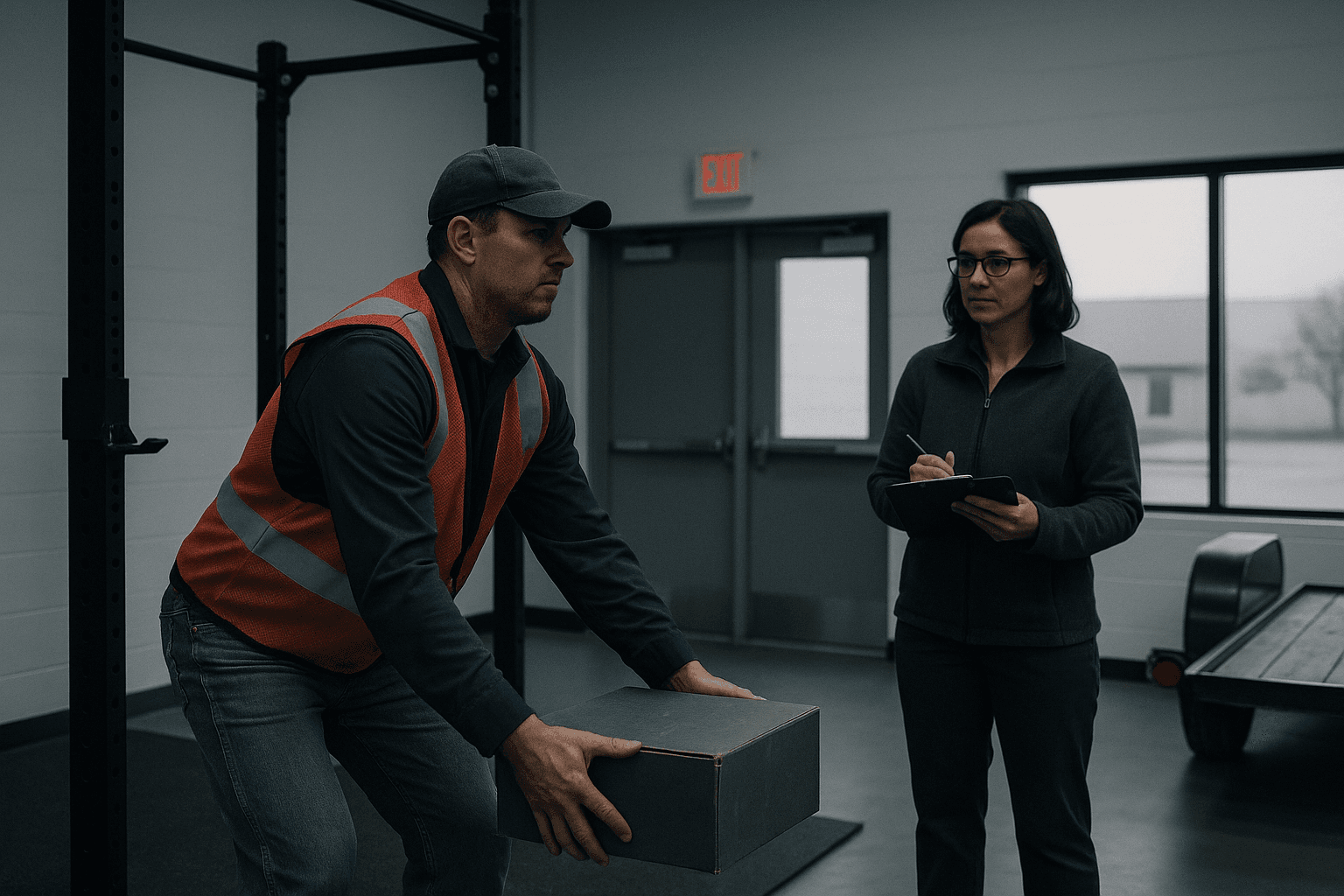
Post-offer back and musculoskeletal screening for material-handling roles — a job-matched functional assessment by licensed physical therapy professionals that confirms a new hire can handle the lifting and documents a musculoskeletal baseline to defend against future injury claims.
Return-to-Duty & Follow-Up Testing
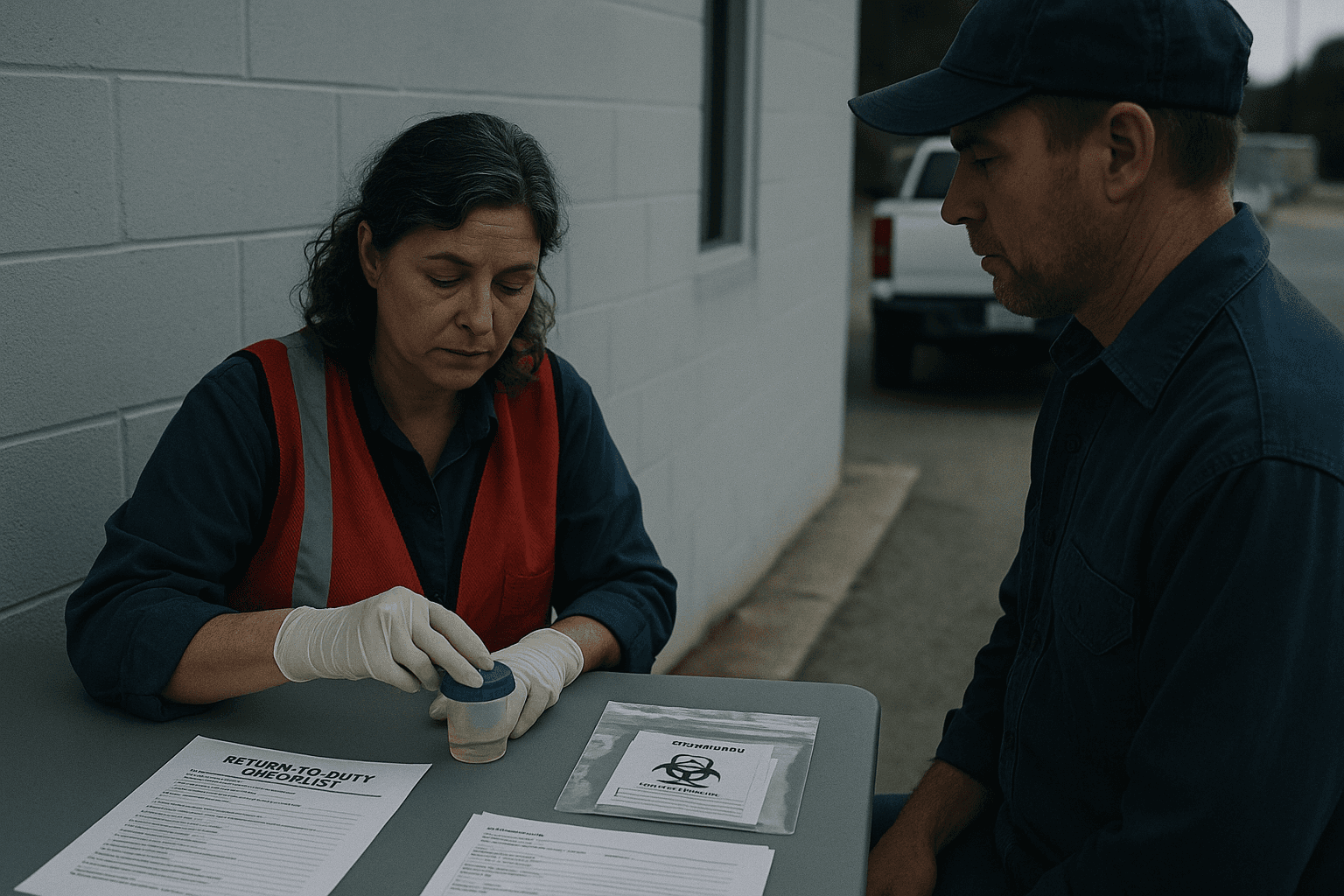
After a drug or alcohol violation, a driver can't return to safety-sensitive duty until they pass a directly observed return-to-duty test — then complete a SAP-prescribed follow-up plan of unannounced, observed tests (at least 6 in the first year). We run every test and keep the plan on track.

UCR Registration Services
Interstate carriers, brokers, and forwarders must register and pay their Unified Carrier Registration (UCR) fee every year — miss it and you risk fines and out-of-service stops. We file your UCR on time, at the right fleet-size tier, with the government fee passed through at cost.
Post-Offer Physical & Functional Screening
Post-offer functional and physical-ability screening built around each job's real demands — lift, carry, push/pull, range of motion — administered by licensed physical therapy professionals and optionally paired with a pre-employment drug screen. Match the right hire to the work before day one.
24/7 Emergency Response & DER Support
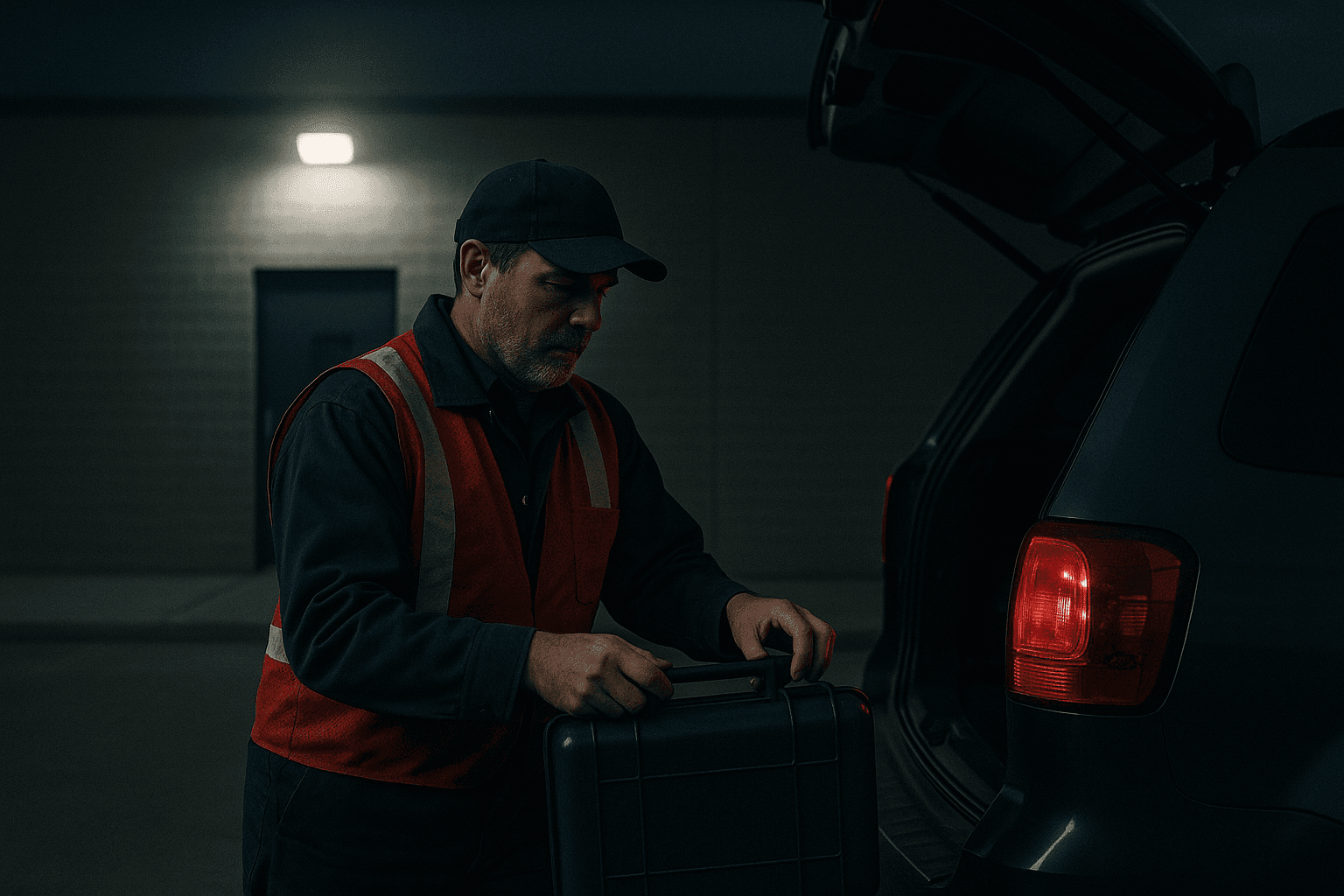
Small fleets can't keep a 24/7 compliance desk — but a post-accident at 2 a.m. or a positive result on a Friday can't wait. We're your around-the-clock backup: emergency collector dispatch, plus expert DER guidance on removals, post-accident calls, and reasonable-suspicion procedures.
Supervisor Reasonable Suspicion Training
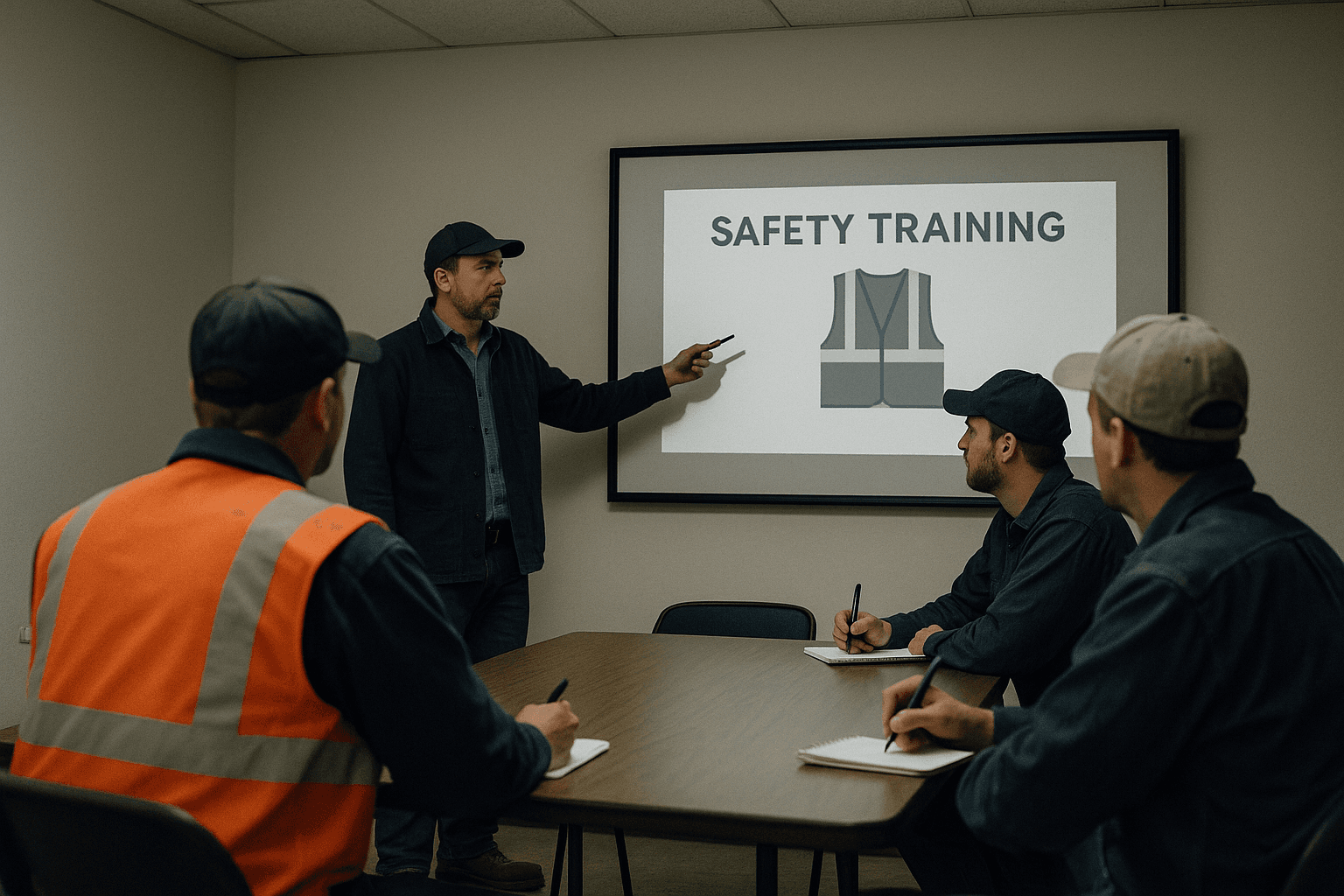
DOT requires every supervisor of CDL drivers to complete at least two hours of reasonable-suspicion training — 60 minutes on drug use and 60 on alcohol misuse (49 CFR 382.603). Ours is led by instructors with law-enforcement backgrounds, delivered online or in-person, for one supervisor or a team.
Medical Review Officer (MRO) Review
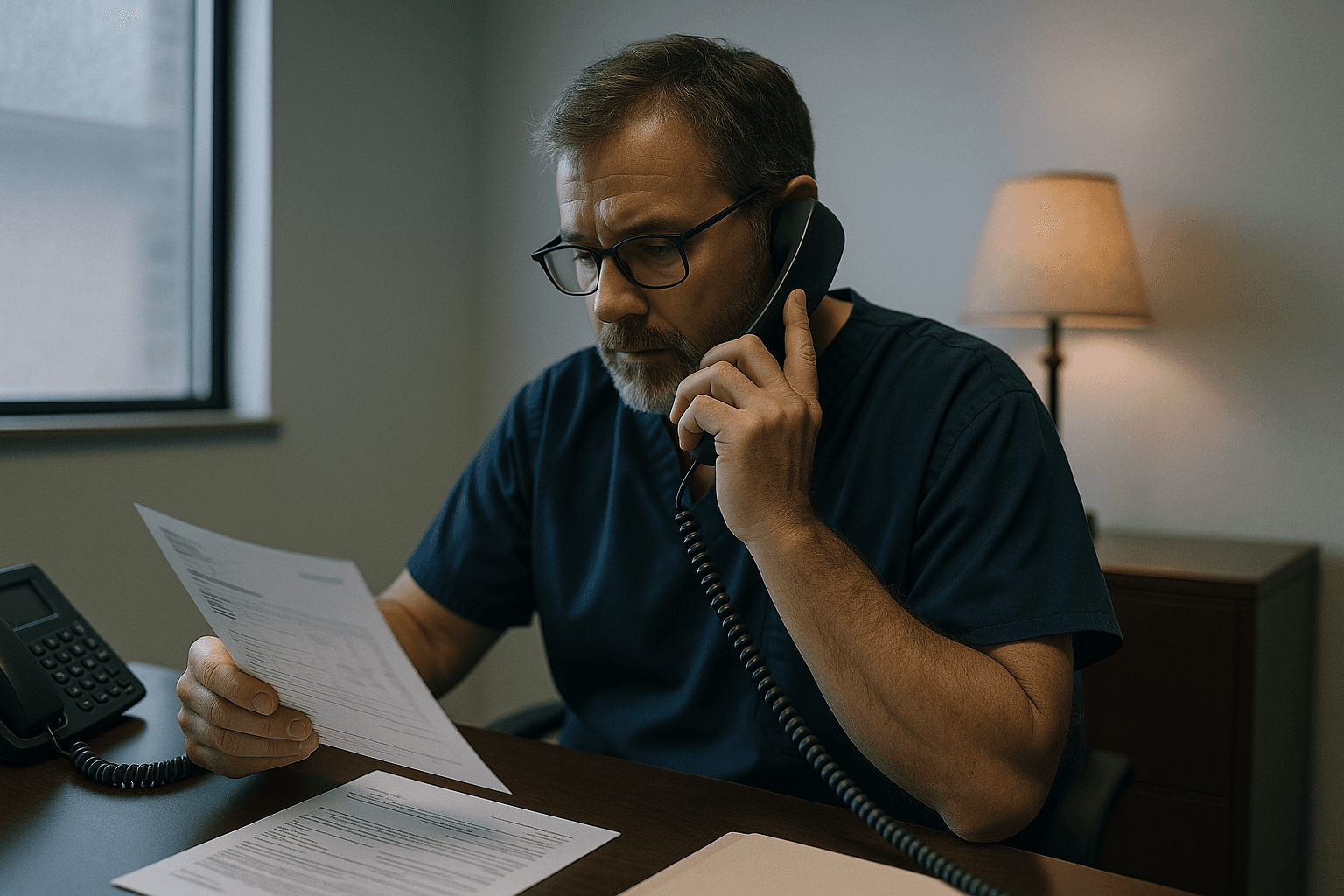
Every non-negative drug result must be verified by a qualified Medical Review Officer before it's reported, so a valid prescription never becomes a false positive. Our DOT-qualified MRO network reviews every result — built into our testing, or standalone for specimens you collect.
DER Training & Certification
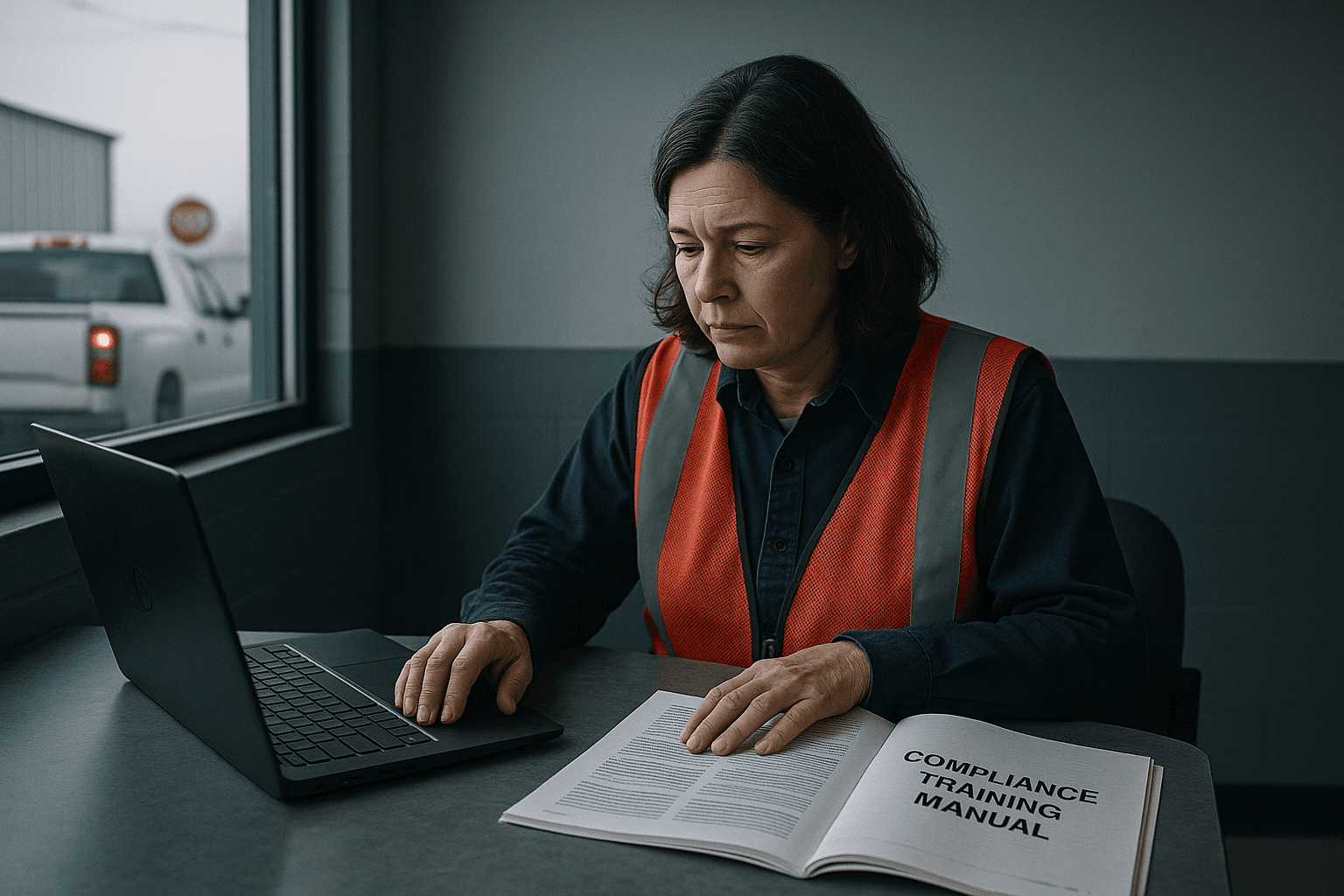
Your Designated Employer Representative (DER) is the person who receives test results and pulls a driver from duty — and getting those calls right matters. Our DER training walks your DER through their DOT responsibilities: handling results, removals, return-to-duty, and Clearinghouse actions.
Mobile Drug & Alcohol Collection
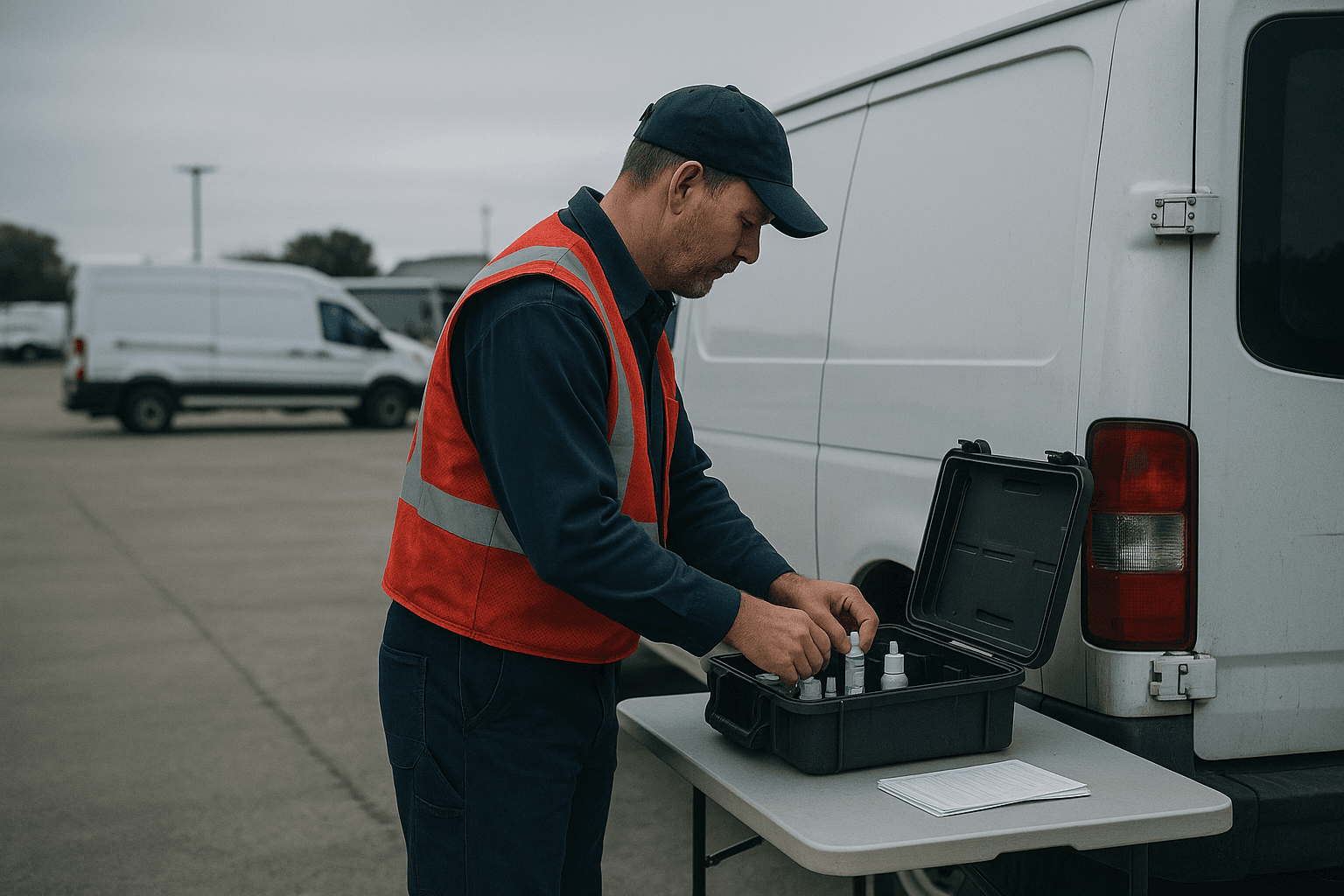
Our own certified collectors across Nebraska and Kansas bring drug and alcohol testing to your terminal, job site, or accident scene — instead of pulling drivers off the road. Random, pre-employment, post-accident, reasonable-suspicion, and return-to-duty tests, collected on-site. $95 per test.
Compliance Consultation
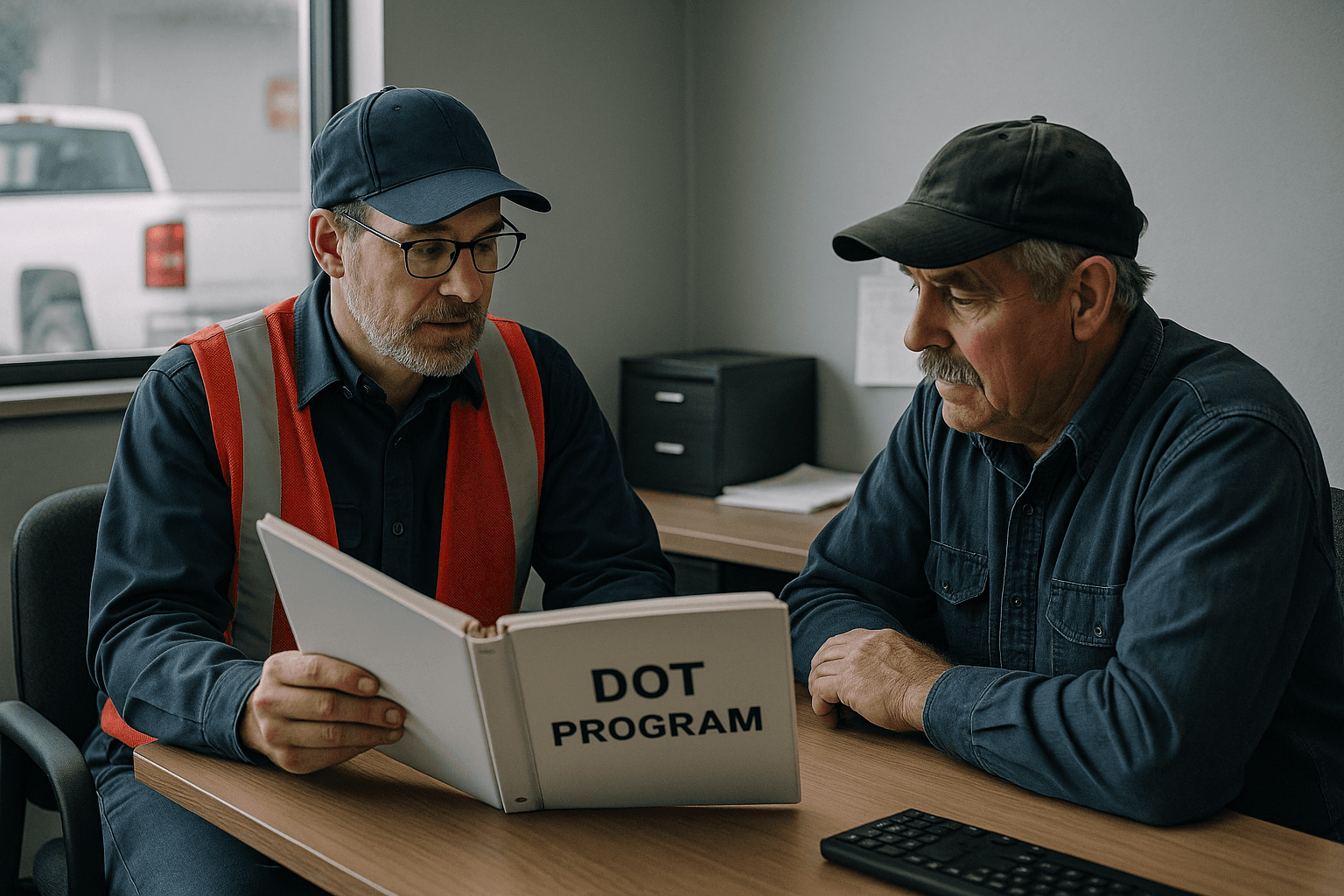
Have a DOT or FMCSA question that doesn't fit a standard service — an audit notice, a new-authority setup, a corrective action plan, or a regulation call you can't afford to get wrong? We consult on any DOT and FMCSA compliance matter by the hour, from the team that runs carrier programs every day.
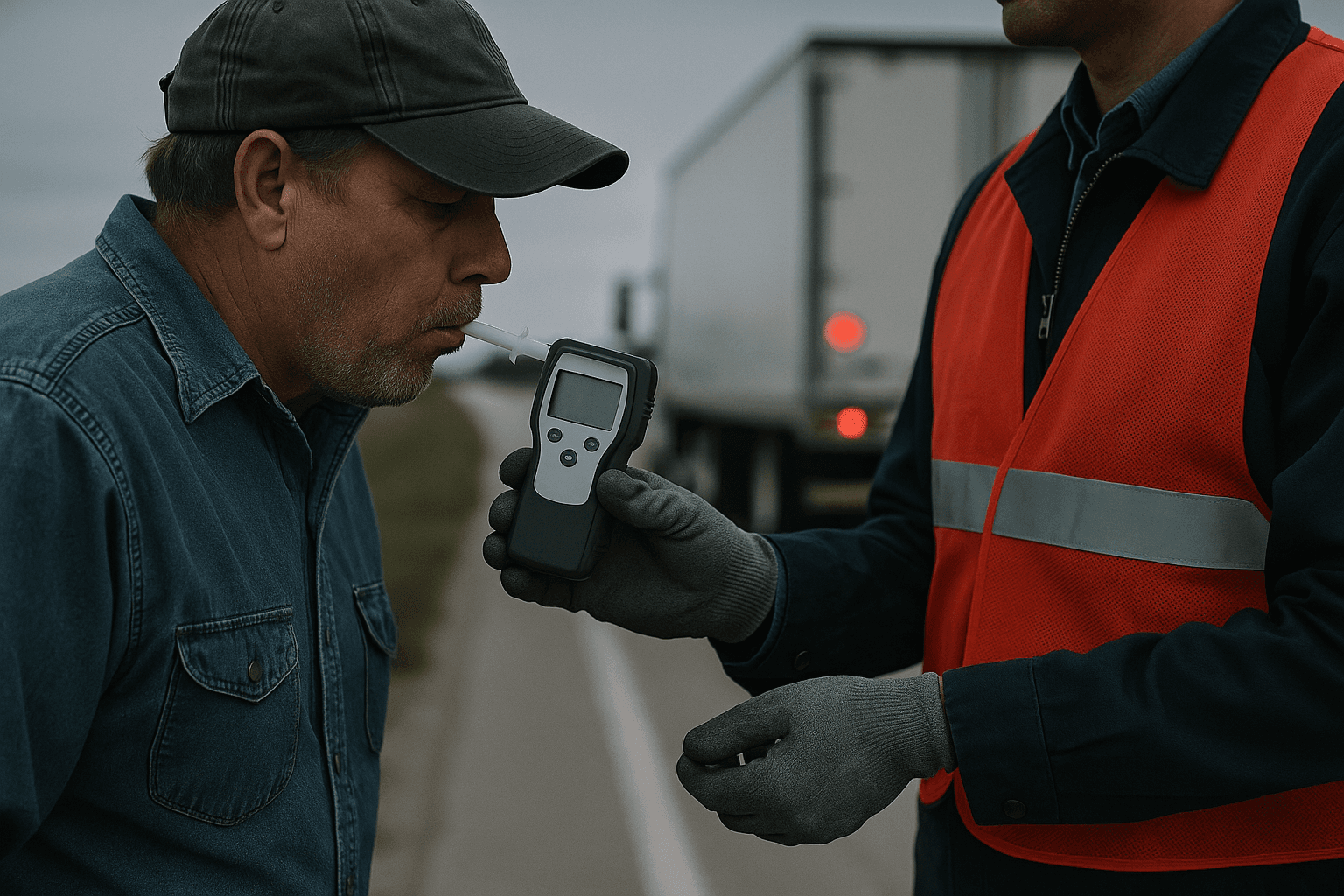
Breath Alcohol Testing
DOT evidential breath alcohol testing by certified Breath Alcohol Technicians — for random, post-accident, reasonable-suspicion, return-to-duty, and follow-up needs. Collected on-site by our mobile team across Nebraska and Kansas or at any clinic, on DOT-approved devices. $55 per test.
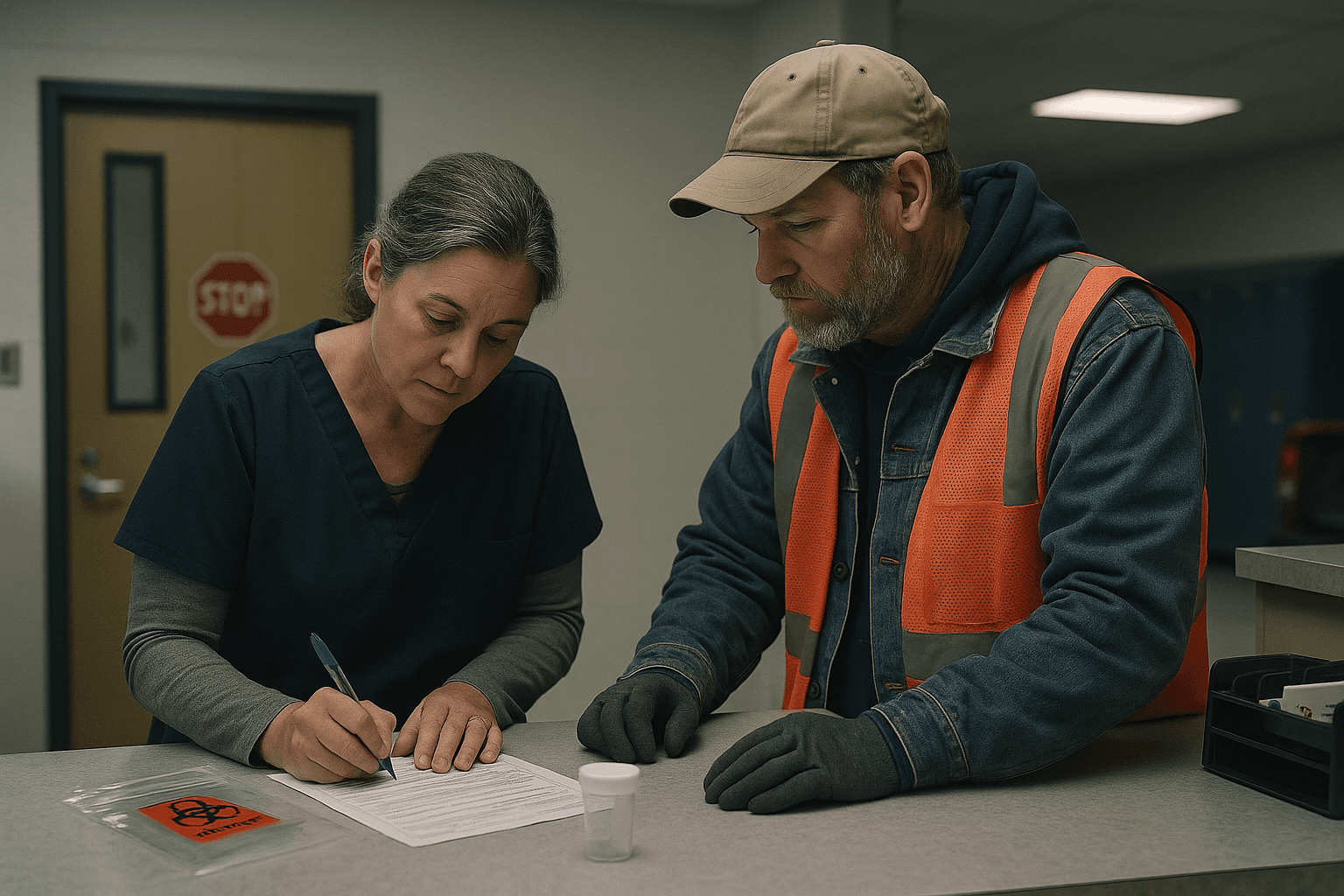
School District Drug Testing
On-site drug testing for K-12 districts — students in athletics and extracurriculars (per Vernonia and Earls), plus staff and DOT and non-DOT bus drivers. Our collectors come to your schools; results are lab-verified and FERPA-confidential. Your district owns the policy; we handle the testing.

Custom Software Development
We built the platform that runs our entire compliance operation — so we know how to build software that solves real operational problems. If your business has a compliance, testing, or workflow problem software could fix, we can build it. Tell us what's broken and we'll scope it.
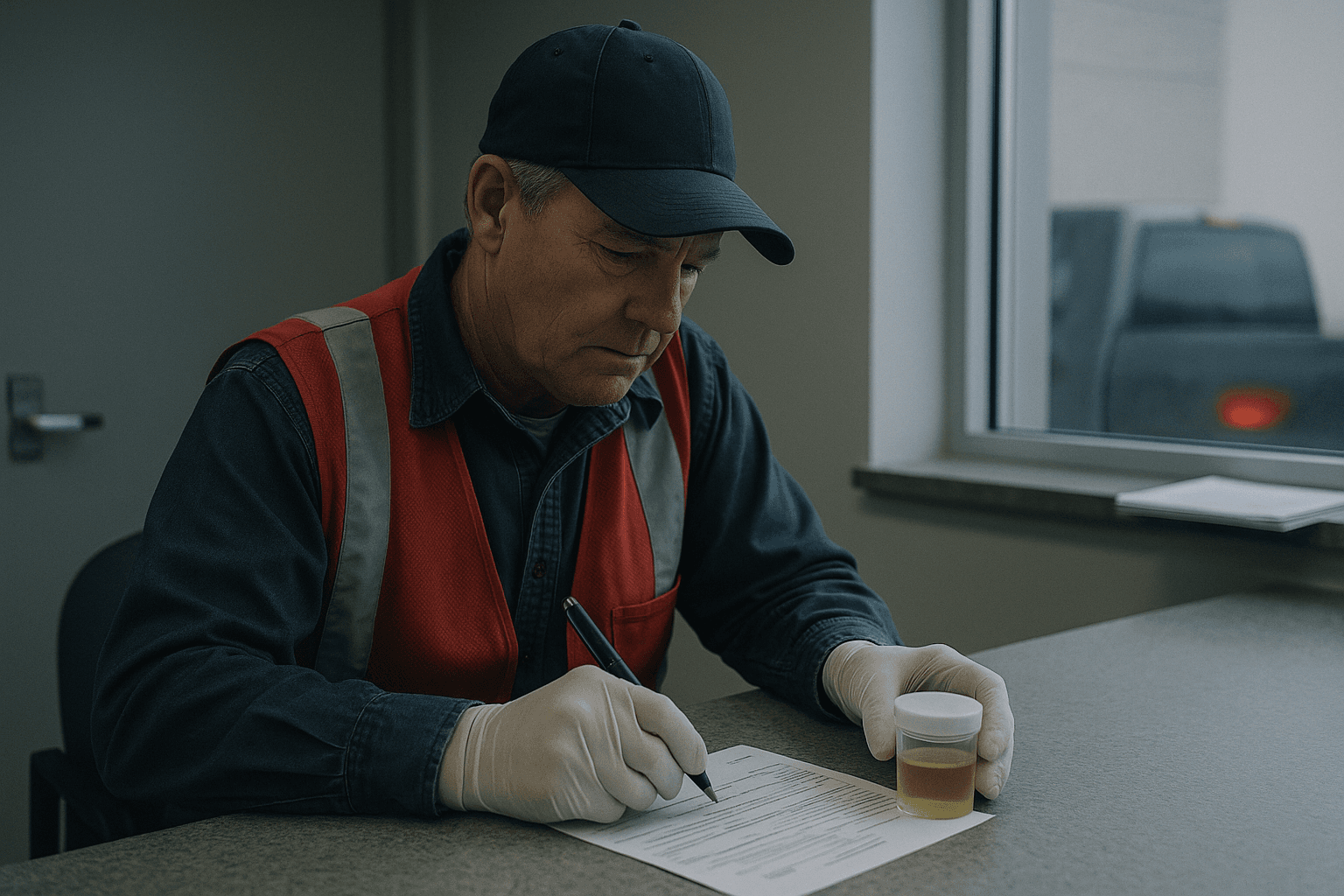
Non-DOT / Employer Drug & Alcohol Testing
Not every employer is DOT-regulated — but you still need a drug and alcohol program that's consistent and defensible. We build and administer non-DOT testing on your terms: pre-employment, random, post-accident, and reasonable-suspicion, with instant or lab panels, on-site or in-clinic.
Don't See What You Need?
We offer more services beyond these industry-specific solutions. Explore our full catalog or speak with a specialist.
Industry-Specific Compliance Resources
Guides, checklists, and more—all tailored to the compliance requirements and best practices for Schools & Educational Institutions operations.
Explore Our Complete Resource Library
Browse all 15 compliance resources, covering every industry we serve.
Browse All ResourcesSchools and districts test across three very different groups — students in activity programs, employees, and DOT-regulated bus drivers — and each has to be handled correctly and confidentially. Diversified provides the testing for all of them: professional collection (including on-site), SAMHSA-certified lab processing, and independent Medical Review Officer verification. Your district sets its own policy, consent, and program design in line with its legal counsel; we execute the testing against it — discreetly, consistently, and with clean documentation. For DOT bus drivers we run full FMCSA-compliant programs; for students and staff we run defensible non-DOT testing to your program's specifications.
Unique compliance challenges in Schools & Educational Institutions.
Every industry faces distinct compliance hurdles. Here is what we help you overcome.
Three Populations, Three Sets of Rules
Students, staff, and DOT bus drivers each require different testing handling — and a provider that can run all three correctly.
Confidentiality and Sensitivity Matter
Testing minors and employees demands discretion, secure handling, and careful communication.
Programs Have to Be Executed Consistently
Whatever policy the district adopts, every collection needs to follow the same defensible, well-documented process.
How we help Schools & Educational Institutions.
Industry-specific compliance solutions designed to address your unique challenges.
Testing for Students, Staff, and Drivers
One provider for all three — non-DOT testing for students and employees, and full FMCSA-compliant programs for bus drivers, executed to your district's policy.
Confidential Collection, On-Site or In-Clinic
Trained collectors handle collections discreetly, including on-site at schools, with strict chain of custody.
Certified Lab Processing & MRO Review
SAMHSA-certified laboratory analysis and independent MRO verification, with clean, defensible documentation for every result.
Credentialed Compliance for Schools & Educational Institutions
Certified examiners, qualified collectors, and federally certified laboratories behind every program
Listed on the FMCSA National Registry
Trained to 49 CFR Part 40 collection procedures
HHS-certified laboratories for specimen testing
Ready to simplify schools & educational institutions compliance?
Let our industry specialists show you how Diversified delivers tailored solutions that keep your operation compliant.
24/7 compliance support · (402) 252-5144
- C/TPA Program Administration
- 24/7 Post-Accident Response
- 3,000+ Testing Sites Nationwide