School District Drug Testing
On-site drug testing for K-12 districts — students in athletics and extracurriculars (per Vernonia and Earls), plus staff and DOT and non-DOT bus drivers. Our collectors come to your schools; results are lab-verified and FERPA-confidential. Your district owns the policy; we handle the testing.
Student drug testing programs test K-12 students in athletics and activities, plus staff and DOT/non-DOT bus drivers. Your district owns the policy; we handle collection with our own collectors and lab-verified, FERPA-confidential results.
For a K-12 district, drug testing has to be done discreetly, confidentially, and within a specific legal scope. We're your testing provider — our own collectors come to your schools and handle the collection, while your district owns the policy that governs the program.
The legal scope your policy must stay within
The Supreme Court permits suspicionless drug testing of students in athletics (Vernonia School District v. Acton, 1995) and other competitive extracurricular activities (Board of Education v. Earls, 2002) — not the general student body. Your district's policy defines the covered students; we test the students it covers.
On-site, and not just students
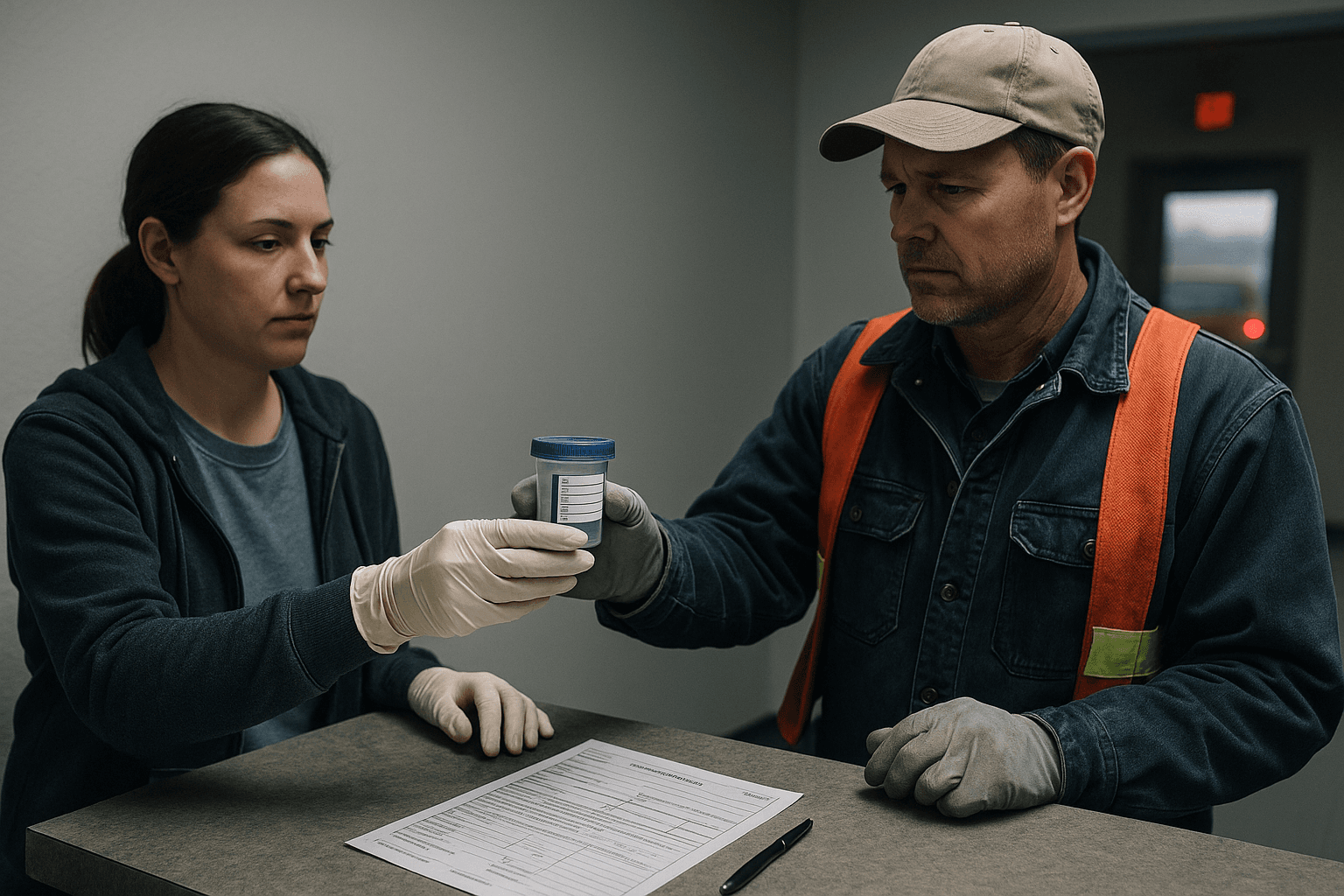
Our collectors come to your schools and test the students your policy covers, your staff, and your DOT and non-DOT bus drivers — the district's full testing need handled without sending anyone off-site.
Confidential results
Results are lab-verified and handled confidentially, consistent with FERPA. How a result is used is set by your district's policy and staff — we provide the objective test and documentation.
Key Features
Vernonia / Earls-Aligned
Built to the exact scope the Supreme Court permits for student testing.
Extracurricular-Limited Scope
Athletics and competitive extracurricular activities — not the general student body.
Students, Staff & Bus Drivers
We test the students your policy covers, plus staff and DOT and non-DOT drivers.
On-Site School Collection
Our own collectors come to your schools; no transporting anyone off-site.
FERPA-Confidential
Results handled confidentially, shared only with a legitimate educational need.
Lab-Verified & Documented
Objective lab-verified results and documentation; your district decides how they are used.
Compliance Requirements
Compliance Requirement
The legal boundary
Suspicionless student drug testing is constitutionally permitted only for students participating in athletics (Vernonia, 1995) and competitive extracurricular activities (Earls, 2002) — not the entire student body. Your district's policy defines the covered students; we test within that scope.
Policy, notice, and consent — your district's role
A defensible program requires a written policy, advance notice, and proper consent. Your district develops and manages those; we provide the testing.
Confidentiality — FERPA
Student testing results are handled confidentially, consistent with FERPA, and shared only with those who have a legitimate educational need.
Frequently Asked Questions
No. The Supreme Court permits suspicionless testing only for students in athletics (Vernonia) and competitive extracurricular activities (Earls) — not the general student body. We keep your program within that scope.
Yes — a written policy, advance notice, and proper consent are required. Your district develops and manages those; we provide the testing.
Confidentially and consistent with FERPA. How a result is used is set by your district's policy and staff — we provide the objective test and documentation.
Only those with a legitimate educational need, handled confidentially under FERPA.
Yes. Our own collectors come on-site to your schools, so no one is transported off-site — and while we're there, we can test the students your policy covers, your staff, and your DOT and non-DOT bus drivers.
District-based, covering the program design and testing coordination. Contact us for a customized proposal.
Related Services

C/TPA & Consortium Program
Diversified Drug Testing is your Consortium/Third-Party Administrator — we run your entire DOT drug and alcohol program. Random pool management, every test type collected by our mobile team across Nebraska and Kansas or in-clinic, plus MRO, SAP, and DER support. $129/year per company.
Pre-Employment Drug Testing
A driver can't perform safety-sensitive functions until you have a verified negative pre-employment drug test (49 CFR 382.301). Test at our clinics, on-site with our mobile collectors across Nebraska and Kansas, or at a partner site nationwide. MRO-verified. $75 clinic / $95 mobile.

Post-Accident Testing
When an accident happens, the clock starts: DOT requires alcohol testing within 8 hours and drug testing within 32 (49 CFR 382.303). Our 24/7 dispatch and our own collectors across Nebraska and Kansas get a driver tested — and every attempt documented — so you meet the window and stay defensible.
Bring your district's drug testing on-site — students, staff, and drivers, tested by our own collectors, confidential and lab-verified. Let's set it up.
Contact our testing specialists to learn how we can support your drug and alcohol testing program.
- C/TPA Program Administration
- 24/7 Post-Accident Response
- 3,000+ Testing Sites Nationwide